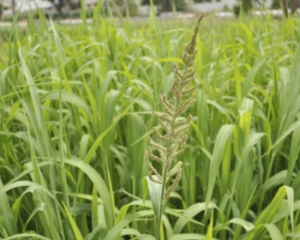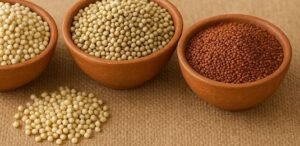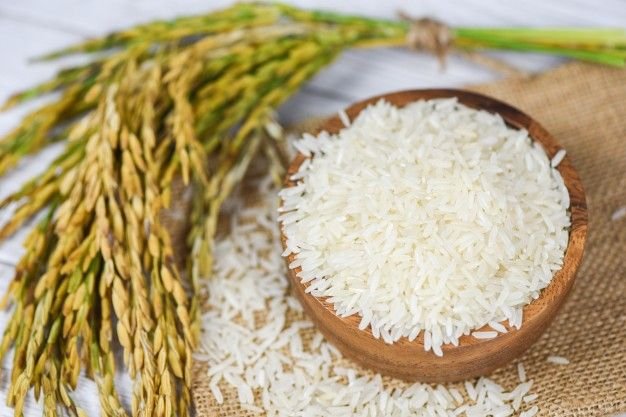
In India, rice and wheat have long been the foundation of our daily meals. However, traditional millets are now gaining attention for their exceptional nutritional value and health benefits. This blog explores a detailed comparison between millets, rice, and wheat — covering fiber content, protein levels, glycemic index, digestion, and overall health impact.
Discover how millets can support better weight management, improved digestion, and balanced blood sugar levels. Learn why these ancient grains are being recognized not just as a healthy alternative, but as a smart choice for modern lifestyles.
If you are looking to make informed dietary choices for yourself and your family, this guide will help you understand which grain truly deserves a place on your plate.
Rice and wheat have been the primary staples in Indian households for generations. From steaming bowls of rice to soft wheat rotis, these grains dominate our daily meals. However, with growing awareness about nutrition, lifestyle diseases, and sustainable food choices, millets are making a powerful comeback.
In this blog, we take a closer look at how millets compare with rice and wheat in terms of nutritional value, fiber content, protein levels, glycemic index, digestion, and overall health impact. While white rice is easy to digest but low in fiber, and wheat provides moderate protein but contains gluten, millets stand out as nutrient-dense, fiber-rich, and naturally gluten-free grains.
You will discover how millets support weight management by keeping you fuller for longer, help regulate blood sugar levels due to their lower glycemic index, and provide essential minerals like iron, magnesium, and calcium. The blog also highlights how incorporating millets into your diet can improve gut health and reduce the risk of lifestyle-related conditions.
Beyond personal health, this guide explores the environmental advantages of millets. These climate-resilient grains require less water, grow well in dry regions, and support sustainable farming practices — making them beneficial not just for individuals, but for the planet as well.
Whether you are looking to improve your diet, manage health conditions, or simply diversify your meals, this comprehensive comparison will help you understand which grain truly aligns with your nutritional goals and modern lifestyle needs.