Millets are gaining popularity as nutritious, wholesome, and traditional grains. But for many people, the biggest question is: How do I actually start eating millets daily?
If you’re new to millets, this beginner-friendly guide will help you add them to your routine in a simple and practical way.
1️⃣ Start Small — Replace One Meal at a Time
Instead of changing your entire diet overnight:
-
Replace rice with millet 2–3 times a week
-
Mix millet flour with wheat flour for rotis
-
Start with one millet-based breakfast
Small changes make the transition easier and sustainable.
2️⃣ Choose the Right Millet for Beginners
Different millets serve different purposes:
-
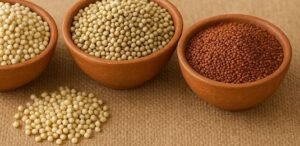
Ragi (Finger Millet) – Great for calcium & breakfast dishes
-
Bajra (Pearl Millet) – Ideal for rotis in winter
-
Jowar (Sorghum) – Light and good for daily meals
-
Foxtail Millet – Perfect rice replacement
Start with millets that are easy to cook and similar to foods you already eat.
3️⃣ Simple Ways to Add Millets to Daily Meals
🌅 Breakfast Ideas
-
Ragi porridge
-
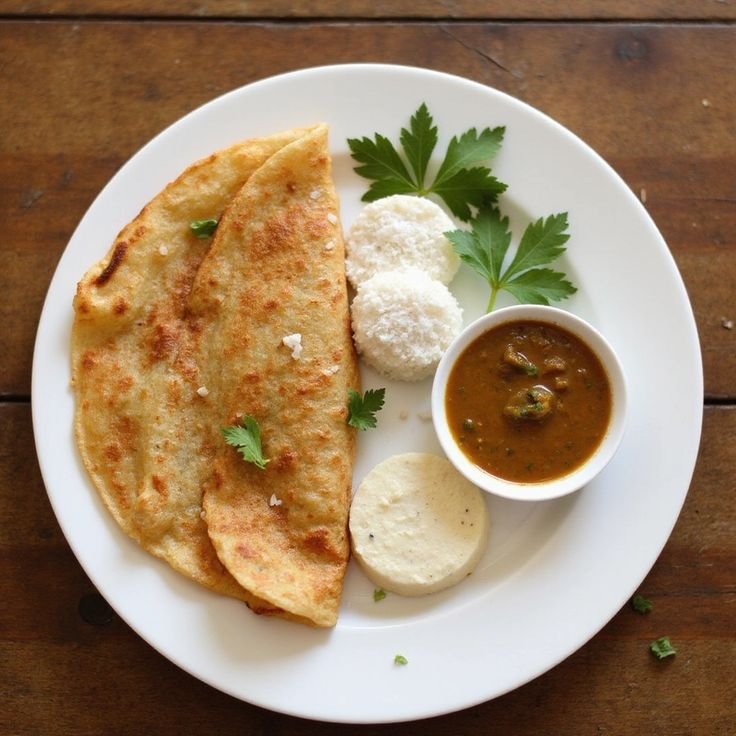
Millet upma
-
Millet dosa
🍛 Lunch Options
-
Foxtail millet instead of rice
-
Millet khichdi
-
Jowar roti
🌙 Dinner Ideas
-
Light millet soup
-
Bajra roti with vegetables
Keep recipes simple in the beginning.
4️⃣ Soaking & Cooking Tips
Millets need slight preparation:
-
Wash thoroughly
-
Soak for 4–6 hours (improves digestion)
-
Use 1:2 or 1:2.5 water ratio (like rice)
Soaking reduces anti-nutrients and makes them easier to digest.
5️⃣ Common Mistakes Beginners Make
❌ Switching completely to millets overnight
❌ Not soaking them properly
❌ Expecting the same texture as white rice
❌ Overeating (portion control is still important)
Take time to adjust your taste buds.
6️⃣ Weekly Beginner Plan Example
-
Monday: Replace rice with foxtail millet
-
Wednesday: Ragi breakfast
-
Friday: Jowar roti instead of wheat
-
Sunday: Millet khichdi
Gradual inclusion works best.
7️⃣ Health Benefits You’ll Notice
With regular consumption, you may experience:
-
Better digestion
-
Longer satiety (less hunger)
-
Improved energy levels
-
Stable blood sugar levels
Millets are rich in fiber, essential minerals, and are naturally gluten-free, making them suitable for many dietary needs.
🌿 Final Thoughts
Adding millets to your daily diet does not require drastic changes. By starting slowly, choosing the right recipes, and preparing them properly, you can enjoy both their nutritional benefits and traditional flavors.
Millets are not just a trend — they are a smart and sustainable addition to modern diets.