As climate change, water scarcity, and soil degradation become serious global concerns, the need for sustainable agricultural practices is more important than ever. In this context, millets are emerging as powerful climate-smart crops that support both farmers and the environment.
Let’s understand how.
1️⃣ Low Water Requirement
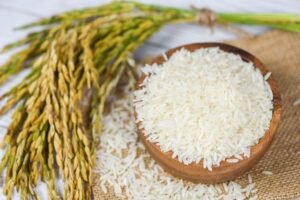
One of the biggest advantages of millets is that they require significantly less water compared to crops like rice.
-
Rice cultivation demands heavy irrigation.
-
Millets can grow with minimal rainfall.
-
They thrive in dry and semi-arid regions.
This makes millets ideal for water-scarce areas and helps conserve valuable groundwater resources.
2️⃣ Climate-Resilient Crops
Millets are naturally hardy grains.
-
They tolerate high temperatures.
-
They can survive in poor soil conditions.
-
They are resistant to many pests and diseases.
In times of unpredictable weather patterns and extreme heat, millets provide a stable crop option for farmers, reducing the risk of total crop failure.
3️⃣ Improve Soil Health
Unlike some intensive crops, millets:
-
Require fewer chemical fertilizers.
-
Adapt well to organic farming practices.
-
Help maintain soil structure.
Their cultivation can reduce soil degradation and promote long-term soil fertility, which is essential for sustainable agriculture.
4️⃣ Support Small and Marginal Farmers
Millets are mostly grown by small-scale farmers in rural and tribal regions.
-
Lower input cost (less water, fewer chemicals)
-
Lower financial risk
-
Reliable yield even in harsh conditions
By promoting millet consumption, we indirectly support rural livelihoods and strengthen local agricultural economies.
5️⃣ Reduced Carbon Footprint
Because millets:
-
Require less irrigation
-
Need fewer chemical inputs
-
Grow in natural rainfall conditions
They contribute to lower greenhouse gas emissions compared to water-intensive crops like rice.
Choosing millets is not just a dietary decision — it’s an environmentally responsible one.
6️⃣ Government & Global Recognition
Millets have gained global attention due to their sustainability benefits. Agricultural experts and policymakers now recognize them as key crops for food security and climate adaptation strategies.
This shift reflects the importance of returning to traditional, resilient grains that can nourish both people and the planet.
🌱 Conclusion
Millets are more than just nutritious grains — they are a solution to modern agricultural challenges. Their ability to grow in tough conditions, conserve water, improve soil health, and support farmers makes them an essential part of sustainable farming systems.
By adding millets to our plates, we contribute to a food system that is healthier, more resilient, and environmentally balanced.